Français
 Italiano
 Español
 Русский язык

Mini Skid Steer Loader Maintenance: A Practical Daily Inspection Guide
Regular maintenance is an important part of managing a mini skid steer loader. Daily checks can help operators identify visible problems before the machine begins work and can support a more consistent maintenance routine across landscaping, agriculture, property maintenance, and construction applications.
Maintenance is not limited to engine oil or hydraulic fluid. A complete inspection may also include the tracks, undercarriage, attachment connections, hoses, control area, cooling system, and general machine condition.
This guide explains how equipment owners, operators, dealers, and fleet managers can organize a practical mini skid steer loader inspection routine.
Begin with a Pre-Start Walk-Around
A walk-around inspection should be completed before the machine starts work. The purpose is to identify conditions that may affect safe operation or require service attention.
The operator may check:
Visible damage to the frame or body
Loose or missing fasteners
Fluid leaks
Damaged hoses
Track or undercarriage condition
Attachment connection points
Safety labels and protective guards
Access steps, handholds, and operator controls
Accumulated soil, grass, branches, or debris
The inspection should be adapted to the machine’s operating environment. A loader used in wet soil may require more frequent cleaning, while a machine used around brush or landscaping materials may need regular checks for plant debris near the cooling system and moving components.
Any issue that could affect operation should be reported and assessed before the machine is placed into service.
Check Tracks and Undercarriage Condition
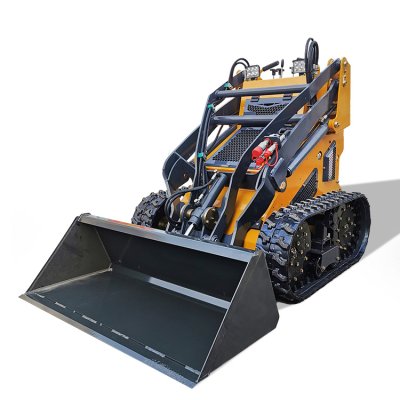
For a tracked mini skid steer loader, the track and undercarriage system deserve regular attention. Tracks operate close to the ground and may be exposed to soil, stones, mud, roots, construction debris, and uneven surfaces.
An inspection may include:
Visible cuts, tears, or abnormal wear
Debris caught around the track system
Track alignment
Sprockets, rollers, and idlers
Track tension according to the manufacturer’s guidance
Signs of unusual noise or vibration
Damage caused by sharp materials or difficult terrain
Operators should avoid assuming that a small visible defect will remain unchanged. Track condition can change with the application, ground surface, operating style, and cleaning routine.
Cleaning the undercarriage after demanding work may help the operator identify problems more easily. The cleaning method should follow the machine’s operating and maintenance instructions.
Review Hydraulic Components and Connections
Hydraulic systems are central to many mini skid steer loader applications. They may power attachments used for landscaping, material handling, sweeping, vegetation management, grading, or other suitable tasks.
A hydraulic inspection may include:
Visible hose damage
Loose or contaminated couplings
Fluid leakage
Damaged quick-connect fittings
Attachment cylinder condition
Unusual pressure or movement behavior
Cleanliness around hydraulic connection points
Before changing an attachment, the operator should follow the approved procedure for relieving hydraulic pressure and connecting or disconnecting the tool. Hydraulic couplings should be kept clean to reduce the risk of contamination.
A new leak, slow attachment movement, unusual noise, or inconsistent response should be treated as a service signal rather than ignored. The operator should refer to the machine documentation or contact qualified technical support.
Inspect Attachments Before Every Job
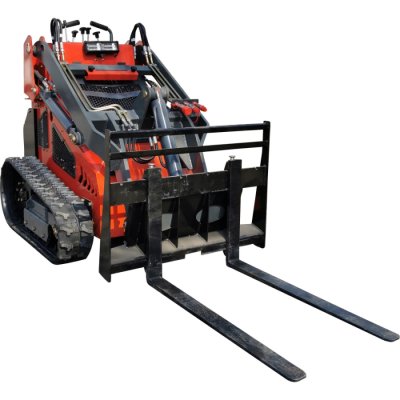
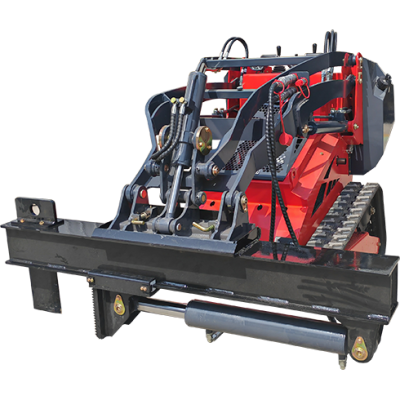
The attachment should be included in the daily inspection. A mini skid steer loader may be used with different tools, and each tool introduces its own connection points, wear areas, hydraulic lines, and operating considerations.
Before operation, check:
Mounting interface
Locking mechanism
Hydraulic hoses and couplings
Visible cracks or deformation
Wear surfaces
Cutting edges, teeth, blades, or tines
Attachment cleanliness
Compatibility with the planned task
The attachment should match the loader configuration and the intended work. Operators should not assume that an attachment is suitable simply because it can be physically connected.
For example, a brush-cutting attachment, grapple, sweeper, auger, or bucket may require different inspection points. The tool should be checked according to its own operating instructions and maintenance recommendations.
Review Fluids, Cooling, and Engine Area
Routine checks around the engine and cooling system can help the operator identify conditions that may affect machine operation. The exact fluid type, service interval, and inspection method should follow the selected model’s documentation.
The operator may review:
Engine oil level according to the approved procedure
Hydraulic fluid level
Coolant level where applicable
Fuel system condition
Air intake and filters
Radiator or cooler surface
Battery and electrical connections
Signs of leakage or contamination
Dust, grass, chaff, and other material can accumulate around cooling areas during landscaping, agricultural, or grounds-maintenance work. The cooling system should be checked and cleaned using a method suitable for the equipment.
Maintenance intervals should be based on the manufacturer’s recommendations, operating hours, working conditions, and the actual maintenance records.
Match Maintenance to the Working Environment
The required maintenance routine may change depending on where and how the mini skid steer loader is used.
Landscaping and Grounds Maintenance
Landscaping work may expose the machine to grass, soil, roots, branches, irrigation areas, and changing ground conditions. Operators should pay attention to debris, attachment wear, track cleanliness, and hydraulic connection points.
Farm and Agricultural Work
Agricultural users may operate on soil, gravel, slopes, and uneven surfaces. The inspection should include the undercarriage, tires or tracks where applicable, attachment interface, and areas exposed to dust or plant material.
Construction and Site Preparation
Construction work may involve stones, demolition debris, dust, uneven ground, and repeated material handling. More frequent inspections may be appropriate when the machine is exposed to abrasive or impact-related conditions.
Property Maintenance
Property-maintenance teams may use the machine intermittently across different seasons. A pre-start inspection is particularly useful when equipment has been stored between jobs or used by different operators.
Keep Written Maintenance Records
A maintenance record helps connect daily inspections with scheduled service. The record does not need to be complicated, but it should provide enough information to identify recurring issues.
A basic record may include:
Date and operating hours
Operator name
Machine identification
Attachment used
Issues observed
Cleaning completed
Fluids checked
Service completed
Parts replaced
Follow-up required
Dealers and fleet managers can use these records to identify repeated leaks, track wear, attachment problems, or operating conditions that require additional attention.
Written records may also support better communication when a machine is transferred between operators, worksites, or service providers.
Frequently Asked Questions
How often should a mini skid steer loader be inspected?
A pre-start inspection should be completed before operation. Scheduled maintenance should follow the manufacturer’s recommendations and may need to be adjusted according to operating hours and site conditions.
What should I check on a tracked mini skid steer loader?
Check the tracks, undercarriage, sprockets, rollers, idlers, alignment, tension, and any visible damage or debris. Follow the model-specific maintenance instructions for adjustment and service.
Why should attachments be inspected separately?
Attachments have their own mounting points, hydraulic couplings, wear parts, and operating limits. A loader inspection alone does not confirm that the attached tool is ready for use.
What are common signs that a hydraulic system needs attention?
Visible leaks, damaged hoses, loose couplings, unusual noise, slow movement, and inconsistent attachment response may indicate that further inspection or service is required.
Should maintenance records include attachments?
Yes. Recording the attachment used and any related issue can help identify wear patterns and improve future inspection planning.