Français
 Italiano
 Español
 Русский язык

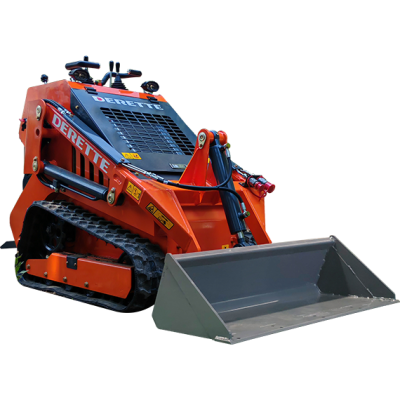
Mini Skid Steer Loader and Mini Excavator for Halloween Setup
Pumpkin patches, haunted houses, agritourism venues, and seasonal event sites often combine temporary scenery with short preparation and removal windows. The work may include moving pumpkins, timber, props, stands, barriers, signs, and decorative materials, while also preparing selected entrances, ground areas, shallow service routes, temporary foundations, or surfaces that need restoration after the event.
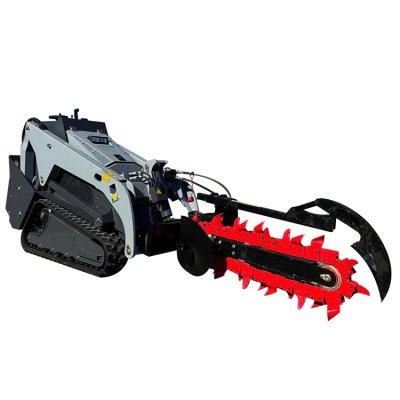
A mini skid steer loader and a mini excavator can support different parts of this process. The mini skid steer loader is generally considered for controlled material movement and placement. The mini excavator may be considered for confirmed ground-preparation tasks, such as entrance preparation, shallow trenching, temporary base work, drainage preparation, or post-event restoration. The actual task assignment depends on the machine, attachment, soil, site layout, work method, and project requirements.
This evergreen guide is about coordinating equipment for seasonal scene setup. It does not establish a universal machine capability, event procedure, safety standard, or attachment recommendation. Specific machines, attachments, operating limits, and commercial details must be confirmed for the actual site and order.
1. Plan the Scene as Separate Equipment and Visitor Zones
Before any machine enters the venue, the event team should divide the property into visitor areas, staff-only areas, equipment routes, material staging points, and temporary construction zones. This step helps the venue coordinate the two machines without allowing active equipment work to overlap with visitor movement.
A planning map may show:
Pumpkin displays, ticketing areas, entrances, exits, queues, and activity spaces
Haunted house routes, prop zones, staff access, and temporary scenery locations
Equipment entry points and controlled machine routes
Material unloading and staging areas
Areas for temporary stands, signs, barriers, lighting, timber, and decorative structures
Ground areas that may need preparation before scenery is installed
Routes that must remain available for venue operations and emergency planning
Surfaces that may require protection, cleanup, or restoration after setup
Equipment work should take place before opening, after closing, or during another closed and supervised period. Visitors, staff, and machine routes should remain separated according to the venue's own operating plan. Neither a mini skid steer loader nor a mini excavator should be presented as equipment for direct operation among guests.
The event producer or venue manager should communicate the work boundaries, access times, authorized operators, and stop-work process before setup begins. This coordination is the foundation for using two types of equipment in one seasonal project.
2. Assign Material Placement to the Mini Skid Steer Loader
The mini skid steer loader can be considered for the material-handling side of Halloween scene setup. Its role may include moving pumpkins, packaged décor, timber, lightweight structures, barriers, signs, pallets, or other materials to their planned zones, subject to the confirmed machine and attachment.
A material-placement plan may include:
Receiving materials at a controlled unloading point
Separating pumpkins, scenery, construction supplies, and venue equipment
Moving items in sequence according to the scene or zone layout
Placing materials near the work area without blocking visitor routes
Supporting the arrangement of temporary stands, props, signs, and barriers
Collecting packaging and unused materials before opening
Preparing materials for storage, return, or removal after closing
A bucket, pallet forks, grapple, broom, or another attachment may be considered for different material categories. These are possible attachment classes, not confirmed Derette supply or suitability statements. Interface, hydraulic requirements, rated use, load characteristics, visibility, and operating limits must be confirmed for the specific mini skid steer loader, attachment, venue, and order.
The mini skid steer loader should support the scene plan rather than replace it. The event team should identify the destination of each material group before machine movement begins, especially where props or temporary scenery may be fragile, unstable, or sensitive to contact.
3. Use the Mini Excavator for Confirmed Ground-Preparation Tasks
The mini excavator may support the ground-preparation side of the project when the planned work requires controlled excavation or surface adjustment. Depending on the confirmed design and site conditions, possible tasks may include preparing an entrance area, opening a shallow service route, forming space for a temporary base, supporting drainage preparation, or restoring disturbed ground after removal.
The project team should confirm:
Which ground areas require preparation before scenery arrives
Whether the work involves excavation, grading, drainage preparation, or restoration
The location of temporary bases, entrance features, or service routes
The soil, slope, moisture, and surface conditions
The order of excavation, material placement, scene installation, and closure
How excavated or imported material will be staged
Which sections must be reviewed before they are covered or reopened
Whether the planned attachment and machine configuration suit the task
A bucket, auger, grading attachment, or another attachment may be discussed for a specific task, but availability and compatibility require confirmation. No universal excavation depth, working weight, reach, lifting ability, hydraulic flow, or performance result should be assumed.
The mini excavator should not be used to define the engineering or event design. Entrance work, shallow routes, temporary bases, drainage arrangements, and surface restoration should follow the venue plan and any applicable project documentation or professional direction.
4. Coordinate the Two Machines Around One Setup Sequence
The two machines are most useful when their work is sequenced rather than performed at the same time in the same area. A typical coordination plan may begin with site preparation by the mini excavator, followed by material movement and scene placement by the mini skid steer loader, then a final venue review before opening.
The exact order depends on the event layout, but the team may consider:
Establishing the controlled work period and confirming the equipment boundaries.
Preparing approved entrance, base, shallow-route, drainage, or restoration areas with the mini excavator where required.
Moving pumpkins, timber, props, stands, signs, barriers, and décor with the mini skid steer loader.
Completing temporary scenery and route arrangements after machine traffic leaves the area.
Removing machines, pallets, loose materials, and packaging from visitor zones.
Checking the venue as an event environment before guests arrive.
Reopening controlled work areas after closing for material recovery and ground restoration.
For a pumpkin patch, the focus may be display rows, entrances, activity areas, stands, and seasonal décor. For a haunted attraction, it may be temporary scenery, queue areas, prop zones, enclosed routes, and controlled staff access. For an agritourism venue, the plan may combine field areas, farm roads, visitor activities, and temporary event structures.
These scenarios share a coordination principle but not a fixed equipment package. The venue should confirm the surface, materials, timing, access, attachments, and work controls for each event.
5. Prepare for Removal, Restoration, and Equipment Inquiry
Halloween scene setup also includes the closing phase. Once the event ends, the team may need to recover pumpkins, props, timber, barriers, signs, stands, and decorative materials, then restore areas affected by equipment movement or temporary structures.
The closing plan may include:
Reopening equipment zones only after visitor activities have ended
Sorting materials for storage, reuse, return, recycling, disposal, or seasonal storage
Using the mini skid steer loader for confirmed material recovery tasks
Using the mini excavator for confirmed removal or surface-restoration tasks
Removing packaging, temporary supports, and loose debris
Reviewing entrances, staging areas, display zones, and access routes
Recording ruts, soft ground, disturbed surfaces, or unfinished restoration work
Confirming that the site is ready for its next use
When contacting Derette, an equipment inquiry should include the venue type, site layout, setup and closing windows, materials, temporary structures, planned ground work, soil and surface conditions, access routes, controlled operating periods, attachment questions, destination market, and documentation requirements.
Derette can discuss relevant mini skid steer loader and mini excavator considerations based on the supplied project information. Model selection, attachment availability, compatibility, hydraulic requirements, commercial terms, delivery timing, and destination documentation should be confirmed for the actual inquiry and order.