Français
 Italiano
 Español
 Русский язык

Why Mini Skid Steer Loaders Belong in Multi-Industry Rental Fleets
Rental companies need equipment that can serve different customers throughout the year. A machine used only for one narrow task may have limited demand outside a specific season. A mini skid steer loader, however, can support contractors working in construction, landscaping, agriculture, property maintenance, municipal services, warehouses, and other compact jobsites.
The rental value comes from the combination of a compact base machine and a range of compatible skid steer loader attachments. Customers may rent the same equipment platform for different types of work, while the rental company can organize packages around real applications instead of offering a machine without guidance.
For rental businesses, the question is not only whether a mini skid steer loader can complete a task. The larger question is how effectively the machine can serve multiple customer segments and jobsite conditions.
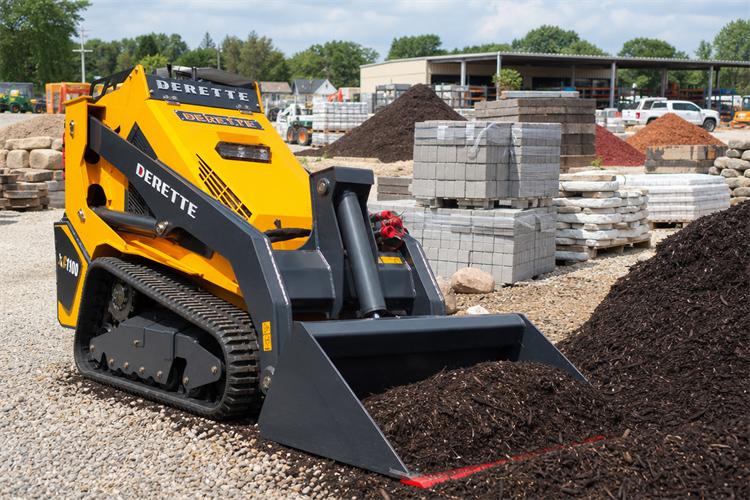
1. Why Rental Companies Add Mini Skid Steer Loaders
A skid steer loader rental fleet needs equipment that is easy to position, transport, and match to different types of work. Many customers do not need a full-size loader for a residential, commercial, agricultural, or municipal jobsite.
A mini skid steer loader may be considered for rental applications involving:
Narrow entrances and compact work zones
Short-distance movement of soil and aggregate
Construction site cleanup
Landscaping and grounds work
Light material handling
Farm and property maintenance
Small municipal service areas
Seasonal access and snow work
The right machine depends on the customer’s ground conditions, load requirements, operating area, attachment needs, and transport arrangements. Rental companies should evaluate these factors before building a standard rental package.
A compact track loader for contractors can be especially relevant when customers need one machine for several connected tasks rather than separate equipment for every stage of a project.
2. Serve Building and Construction Contractors
Construction and renovation contractors often work on sites where space is limited. Residential extensions, interior renovation support, hardscape projects, and small commercial construction sites may require material movement without the access space needed by larger loaders.
A mini skid steer for construction can support selected tasks such as:
Moving soil, gravel, and loose construction materials
Clearing debris from active work areas
Supporting backfilling and rough grading
Transporting materials across narrow routes
Preparing surfaces for concrete or paving
Assisting with renovation site organization
The rental company should understand whether the customer needs a bucket, forks, broom, breaker, compaction tool, or another compatible attachment. The attachment should be matched to the loader’s interface, hydraulic requirements, operating limits, and jobsite conditions.
This application is broader than a single demolition or cleanup task. The machine can support the movement of materials before, during, and after the main construction work.
3. Support Landscaping and Grounds Contractors
Landscaping contractors often move between several work stages on the same property. A project may involve soil preparation, turf handling, planting areas, hardscape materials, cleanup, and final grading.
A mini skid steer for landscaping can support:
Moving topsoil and mulch
Preparing planting areas
Transporting turf and landscaping materials
Distributing gravel for paths or patios
Clearing selected site debris
Supporting garden and grounds construction
Preparing surfaces before final landscaping work
For a rental fleet, landscaping demand can extend across residential gardens, commercial grounds, nurseries, parks, and estate properties. The machine may be used differently in each setting, so the rental conversation should begin with the customer’s property and work sequence.
Tracked configurations may be suitable for certain ground conditions, but surface protection depends on the actual machine, terrain, operating method, and site requirements.
4. Cover Farm, Ranch, and Rural Property Work
Agricultural customers may need compact equipment for areas where tractors or larger loaders are difficult to turn. Barn aisles, storage buildings, feed areas, farm roads, and maintenance zones can all have different access requirements.
A mini skid steer loader may support selected farm work such as:
Moving feed and bedding
Handling suitable materials
Clearing loose waste
Maintaining small farm access routes
Moving compost, soil, and aggregate
Organizing storage areas
Supporting seasonal property work
The attachment should be selected according to the material and operating conditions. Buckets, forks, and grapples may serve different workflows, but rental companies should verify load requirements and attachment compatibility before delivery.
Farm and rural customers can also provide demand outside the main construction season. This can help rental businesses use the same compact loader across more months of the year.
5. Serve Municipal Maintenance and Seasonal Work
Municipal service contractors often work across scattered, smaller job zones instead of one large construction site. Sidewalks, residential streets, public spaces, drainage areas, and roadside sections may require equipment that can be transported and repositioned quickly.
A mini skid steer loader for municipal maintenance may support selected work such as:
Moving repair materials
Cleaning public areas
Supporting sidewalk and pathway work
Handling loose aggregate
Preparing small ground sections
Clearing selected debris
Maintaining compact service routes
In regions with snow, rental demand may also include snow removal and winter access work. A blade, broom, blower, or other winter attachment should be evaluated according to the loader model, hydraulic system, surface, climate, and local operating requirements.
The main rental advantage is flexibility: the base machine can serve different seasonal jobs when the attachment package and customer instructions are planned correctly.
6. Use Mini Skid Steer Loaders for Warehouses and Material Handling
Some warehouses, workshops, factories, and low-height facilities have narrow aisles, restricted turning areas, or overhead limitations that prevent the use of larger equipment.
A compact loader for material handling may be considered for selected work involving:
Loose material movement
Construction or renovation support
Cleanup during facility changes
Suitable pallet handling with approved forks
Repositioning materials across a work area
Preparing an area for maintenance or remodeling
Before an indoor or semi-indoor rental, the company should review floor conditions, overhead clearance, load requirements, ventilation, turning space, and the customer’s operating plan.
The rental company should not assume that every mini skid steer loader is suitable for every warehouse or enclosed facility. Site details must be confirmed before equipment is supplied.
7. Build Rental Packages Around Applications, Not Just Attachments
A long attachment list does not automatically create a strong rental offer. The better approach is to create packages around common customer jobs.
Examples may include:
Renovation and Construction Package
Mini skid steer loader
Material-handling bucket
Suitable forks
Cleanup or demolition attachment where appropriate
Landscaping Package
Bucket
Soil or material-handling attachment
Approved auger or grading tool
Cleanup attachment
Farm and Property Package
Bucket
Forks or grapple, depending on the material
Ground-maintenance attachment
Transport and operating guidance
Municipal and Seasonal Package
Bucket or blade
Broom or winter attachment
Transport equipment
Jobsite operating instructions
Every package should be checked for attachment compatibility, hydraulic requirements, transport weight, operator training, and intended use. The purpose is to help the customer rent a workable system rather than a machine with tools that do not match the job.
8. Evaluate Fleet Utilization Across the Year
When selecting a compact track loader rental product, rental companies should consider more than the purchase price. The equipment should be evaluated against the customer segments and seasonal demand in the target market.
Important planning areas include:
Construction and renovation rentals
Landscaping and grounds maintenance
Agricultural and rural property work
Municipal service contracts
Warehouse and facility projects
Winter maintenance demand
Attachment investment
Transport and delivery
Operator training
Storage and fleet management
Actual utilization and financial performance depend on local demand, rental rates, competition, transport arrangements, attachment costs, and fleet management. A mini skid steer loader can expand a rental company’s customer coverage, but its business value should be calculated from the local market rather than assumed in advance.