Français
 Italiano
 Español
 Русский язык

What Jobs Can a Mini Excavator Handle? A Complete Buyer’s Guide to Compact Mini Digger
If you are a landscaping contractor, general builder, farmer, ranch owner, property maintenance manager, rental company operator or DIY enthusiast who runs residential renovation projects, a mini excavator (also widely known as a mini digger or compact excavator) is one of the most profitable and versatile pieces of heavy equipment you can add to your fleet.
Many international buyers send us inquiries every week with the same core questions: Is a compact mini excavator worth buying instead of renting? What tasks can a mini digger actually complete on-site? What size mini excavator should I pick for my typical jobs? What attachments do I really need? What emission standards do I need to meet for my local market? And how can I get a durable mini excavator without paying huge dealer markup?
Large conventional excavators deliver massive digging power, but they come with obvious limits. They need wide access roads, heavy-duty transport trucks, plenty of rotating space, and they often cause serious ground damage on lawns, soft soil or finished yards. That is exactly where mini excavators shine. Designed for restricted, tight-access job sites, compact mini excavators balance digging force, flexible maneuverability, low ground pressure and easy transportation. They are suitable for both short-term one-off jobs and year-round heavy use, which explains their growing popularity across North America, Europe, Australia, Southeast Asia and other global markets.
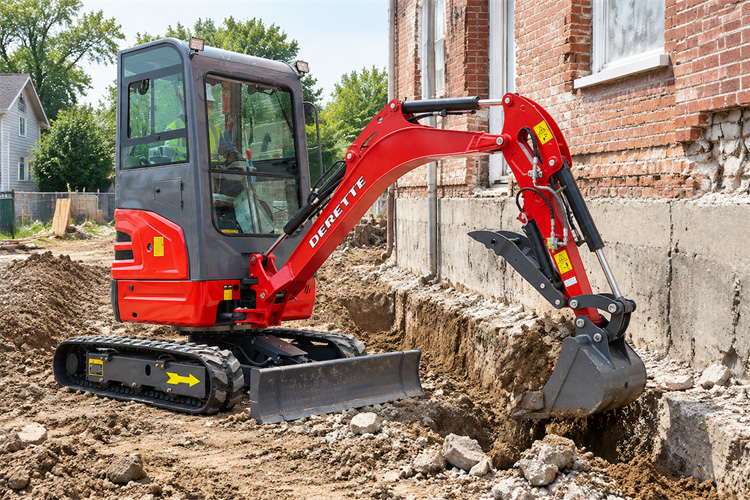
Main Applications of Mini Excavators
1. Landscaping, Yard Builds and Outdoor Renovation
Landscaping remains the biggest market for mini excavators. Professional landscapers rely on compact diggers to speed up every stage of residential and commercial yard transformation. Common landscaping work includes digging planting trenches for trees and shrubs, excavating garden ponds and water features, cutting drainage ditches, leveling sloped terrain, grading topsoil, removing old concrete patios, walkways and retaining wall foundations, clearing stumps, roots and overgrown bushes. Compared with manual digging, a mini excavator cuts working time dramatically. With a grading bucket, operators can finish fine leveling work gently, minimizing damage to existing turf, paving and underground utilities. Many landscape companies choose zero-tail swing mini excavators to work between houses, fences, mature trees and garden beds with almost zero risk of hitting surrounding structures.
2. Utility Installation, Drainage and Underground Pipeline Projects
Plumbing teams, electrical contractors and civil crews frequently use mini excavators for utility trenching. Urban residential areas have narrow gaps between buildings, limited entry gates and dense underground lines, so large excavators simply cannot fit. Mini diggers safely dig precise trenches for water supply lines, sewer pipelines, storm drainage systems, fiber optic cables, electrical conduits and irrigation piping. Operators can control digging depth accurately to avoid cutting existing buried pipes and wires. Many utility contractors pair their mini excavators with auger attachments for post holes, sign poles and foundation piers.
3. Farm, Ranch and Agricultural Land Maintenance
For small family farms, large ranches, vineyards and orchard operators, mini excavators are an essential multi-purpose farm machine. Typical farm jobs: cleaning overgrown irrigation ditches, repairing erosion gullies, building small stock ponds for livestock water supply, digging manure storage pits, rebuilding animal fencing foundations, clearing rock and root debris from fields, moving gravel and bulk compost, repairing farm track surfaces. One major advantage for farmland is the lightweight design and rubber track option. Rubber tracks distribute weight evenly, reduce soil compaction, and will not crush crop roots or leave deep ruts on soft farm ground.
4. Light Demolition, Concrete Breaking and Site Cleanup
When fitted with a hydraulic breaker hammer, the mini excavator turns into a powerful demolition tool for small to medium demolition tasks. It can break concrete driveways, patio slabs, old shed foundations, brick walls, stone retaining structures and asphalt surfaces. After breaking, the digging bucket can collect broken rubble, load debris into dump trailers and clear the whole site. Compared with handheld jackhammers, hydraulic breakers mounted on mini diggers are far less tiring for operators and complete demolition work much faster. It is ideal for urban renovation where noise control and limited space are major concerns.
5. Indoor Work, Urban Renovation and Tight-Space Construction
Zero tail swing mini excavators are specially engineered for confined working zones. They can rotate fully without the rear counterweight extending outside the track width. This makes them perfect for inner-city backyards, alleyways, warehouse interior renovation, basement access projects and narrow building sites. Many urban builders choose mini excavators because they produce lower noise than large excavators, helping them comply with local construction noise regulations in residential zones.
6. Pool Installation, Foundation Digging and Small Building Projects
Swimming pool builders regularly use 1.8 ton to 4 ton mini excavators to dig pool pits. Compact size allows easy entry through standard garden gates, while digging power is enough to remove large volumes of soil. Mini diggers also dig footings for small cabins, garden rooms, decks, outbuildings and temporary retaining walls.
7. Snow Removal, Trail Building and Forestry Work
With a snow blade attachment, mini excavators can clear snow from driveways, farm lanes and private paths. Forestry operators use log grapple attachments to move logs, stack timber and clear brush. Trail builders use mini diggers to cut paths in parks, campsites and mountain areas.
Mini Excavator Sizing Guide: Which Ton Size Fits Your Work?

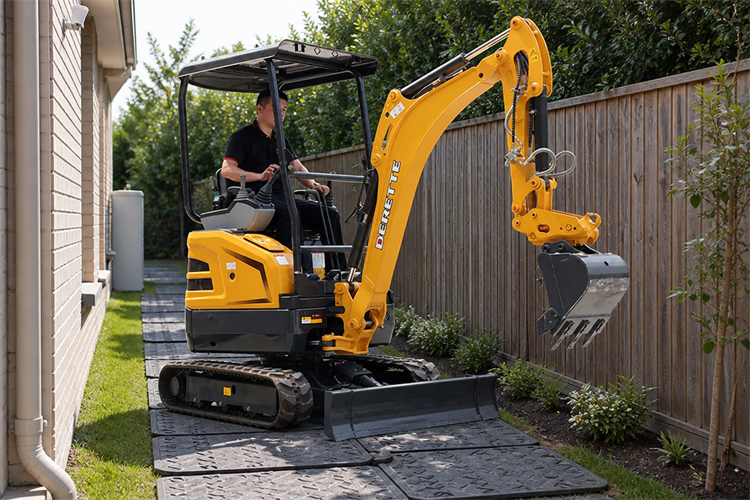
Choosing the right operating weight is one of the most critical buying decisions.
1 Ton – 1.8 Ton Mini Excavator: Ultra-compact. Fits through standard gates. Best for small yards, light trenching, simple landscaping, hobby farm work and rental fleets for homeowners. Easy to tow with a small trailer. Dig depth is limited, great for light-duty jobs only.
2 Ton – 3.5 Ton Mini Excavator: The most popular all-round size. Balanced digging depth, breakout force and mobility. Perfect for landscaping, utility trenching, pool digging, small demolition and general contractor work. Most of this range can be towed by a pickup truck with a standard trailer.
4 Ton – 6 Ton Mini Excavator: Heavy-duty compact model. Deeper digging depth, stronger breakout force, stable performance for daily heavy workloads. Suitable for commercial projects, continuous demolition, large pond excavation and farm heavy maintenance. May require a heavy-duty trailer for transport.
Above 6 Ton Compact Excavator: Closer performance to standard excavators, still smaller than full-size machines. For mid-size construction jobs where full excavators are too big.
Core Features to Inspect Before You Place an Order
1. Tail Swing Configuration
Zero Tail Swing: No rear overhang. Best for tight yards, alleyways and indoor jobs. Higher manufacturing cost.
Short Tail Swing: Slight rear overhang. The best-selling option. Balances price, stability and flexibility.
Conventional Tail Swing: Longer rear counterweight. Lower cost, more stable when digging heavy loads. Requires extra clearance space.
2. Hydraulic System & Auxiliary Hydraulics
Auxiliary hydraulic circuits are mandatory if you plan to run multiple attachments. Smooth, reliable hydraulic flow ensures the breaker, auger, grapple and thumb work responsively. Always confirm whether the machine comes with pre-installed auxiliary hydraulic piping, control lines and quick couplers. Poor hydraulic quality leads to slow operation, leaks and frequent downtime.
3. Engine Type and Emission Compliance
Engine choice directly affects fuel consumption, reliability and market eligibility.
Stage V / EPA Certified Engines: Required for the EU, UK, USA and Canada. Strict emission control, lower exhaust pollution, meets local road and work-site regulations.
Standard Tier Engines: For Southeast Asia, Africa, South America and other markets without strict emission rules. Cost-effective, easy to source spare parts. Ask your supplier for engine brand, service interval and local parts availability before purchase. Fuel efficiency is a key factor for long-term operating costs.
4. Track Options: Rubber Tracks vs Steel Tracks
Rubber Tracks: Low noise, no damage on asphalt, concrete and lawns. The top pick for landscaping and residential jobs. Wear faster on sharp rock sites.
Steel Tracks: Extremely durable, strong grip on muddy, rocky and rough terrain. Preferred for farm, demolition and remote construction sites. Will scratch paved surfaces.
5. Operator Cabin & Controls
You can choose open canopy (ROPS roll protection frame) or fully enclosed cabin with heater, fan and windshield. Enclosed cabins give operators better protection against rain, dust and cold weather. Control layout options include ISO and SAE control patterns, we can adjust the control configuration according to your operator habit.
Must-Have & Optional Attachments to Maximize Your Machine ROI
The biggest advantage of a mini excavator is multi-tool compatibility. One base machine can switch attachments quickly to handle different jobs, which greatly improves your return on investment. Common attachments:
Standard digging bucket: General earth moving, trenching
Grading / ditching bucket: Fine leveling, shaping slopes, cleaning ditches
Hydraulic thumb clamp: Hold rocks, logs, irregular debris
Hydraulic breaker hammer: Break concrete, rock and asphalt
Auger / earth drill: Dig post holes, foundation piers, tree planting holes
Log grapple: Grab and move timber, branches
Ripper tooth: Break hard compacted soil and rock layers
Snow blade / snow bucket: Winter snow clearing
Quick hitch / quick coupler: Fast attachment swap without extra tools
Maintenance Tips to Extend Your Mini Digger Service Life
Many buyers overlook routine maintenance, which leads to unexpected breakdowns and lost revenue.
Check engine oil, hydraulic oil, fuel filter and air filter regularly following the service manual
Grease all pivot points and bucket pins daily before heavy use
Inspect track tension, rubber track cracks and idler wheel condition frequently
Clean the hydraulic cooler and radiator to avoid overheating, especially in hot weather
Store the machine under cover when not in use, protect hydraulic hoses and paint from UV and rain damage
Use genuine spare parts for replacement. Factory direct suppliers maintain stable spare parts inventory for long-term support.
Transport & Legal Considerations
Most mini excavators under 3.5 tons are trailer-towable by pickup trucks. You will need a suitable trailer, safety chains and proper lighting. Transport regulations, weight limits and operator certification rules differ widely between countries, states and regions.
Private farm and personal use: Many areas do not require formal operator licenses
Commercial contracting work: Almost always requires operator safety training and relevant certification Always verify local construction equipment rules before you start operating.
Why Source Mini Excavators Directly From Our Factory
When you buy mini excavators through local equipment dealers, you pay layers of middleman markup. Our factory is a professional manufacturer of compact construction machinery, producing mini excavators from 1 ton to 6 ton for global customers.
Factory direct purchase brings you clear benefits:
✅ Transparent pricing without dealer markup
✅ Customization available: custom paint color, your brand logo, control pattern, attachment package
✅ Full pre-shipment inspection: every machine runs through hydraulic, engine and function testing before loading
✅ Complete documents: operation manual, maintenance guide, parts catalog and inspection report
✅ Global after-sales support: technical video guidance, online troubleshooting and worldwide spare parts supply
✅ Flexible packing options: nude packing, container packing suitable for sea shipment
We work with landscaping companies, construction contractors, equipment rental businesses, farm owners and machinery distributors all over the world. Whether you need a single unit for your own project, or bulk order for resale and rental fleet setup, we can tailor the quotation and configuration to match your target market requirements.
Frequently Asked Questions
Q: Can a mini excavator work on muddy, soft ground?
A: Yes. Choose wide rubber tracks to lower ground pressure and reduce sinking risk. For extremely swampy ground, we also offer wide track options.
Q: How long is the lead time for factory orders?
A: Standard models usually have short lead time. Custom color, custom logo and special attachment packages need extra production time. Contact our sales team for the latest schedule.
Q: Can I mix different attachments in one order?
A: Absolutely. We support you to select a combination of buckets, breaker, auger, grapple and other accessories together with the excavator.
Q: What warranty do you provide?
A: We offer standard factory warranty for the whole machine and main components. Warranty terms vary for different markets, we will state warranty details clearly in your proforma invoice.